

Surprisingly versatile, cheap and tastier than you think, legumes are a good option to creating rich and satisfying meals. Obvious if you’re vegan or vegetarian. Under-utilised if you’re carnivorous.
Peas, lentils and peanuts all form the legume family. These powerful little pods are an amazing source of B-vitamins, potassium, calcium, iron, protein, good fats, carbohydrates. Sprouting them, legumes become a good source of Vitamin C and beneficial enzymes. And of course we know they have a high soluble fiber content. That’s what gives us those bowel churning reactions.
Don’t give up on beans just yet.
Most people have an aversion to eating legumes because they are notorious for giving gas. The culprit being complex sugars called oligosaccharides (oli-go-sack-a-rides). Preparing them right can help alleviate this problem. And to help you, I’ve set up a handy little table below. I learned in a Wholefoods Nutrition class by Sandra Dubs that these little guys are a work-out out for your intestines. Eat them on a regular basis and your bowels ‘toughen up’ (eg you develop the enzymes necessary for the digestion) and you will no longer experience the digestive problems.
Often it’s hard to know what to do with legumes. Other than cracking a can of Heinz baked beans, most of us just didn’t grow up on lentil burgers for dinner. Neither did we think “yipee bean stew for dinner!” Through giving them a second chance in adulthood, I realised that legumes each have different personalities, suitable for different styles of cooking. Keep scrolling past the table below to find a bunch of recipes to help you re-discover beans.
If you’re using the canned variety, drain and rinse thoroughly before using.
Tips & bean tricks
Storage and best preparation
- If possible, choose beans that have been picked and dried in the last 12 months.
- Store dried beans in a dark cupboard where they will retain more of their nutrients.
- Rinse dried beans well and pick out any debris, wrinkled or discoloured beans.
- Always soak your beans 8 – 24 hrs prior to cooking (if soaking specified). Soak in 2 – 3 times water. Adding 1 Tblsp vinegar to the water helps extract gas-producing elements. In warmer weather soak in the fridge to avoid fermentation.
- If you’re short on time, try the quick soak method: boil the beans for 5 minutes. Drain and discard the water. Rinse the beans then soak for 2 – 4 hrs and continue as below.
- Drain the soaking liquid. Add beans to a pot with a strip of Kombu (a sea vegetable found in health food stores) and fresh water at least double its volume. Cook at a slow simmer since hard boiling makes the skins tougher. Kombu helps make the beans more digestible and adds valuable nutrients. At this point you can also toss in some aromatic vegetables such as onion, carrot and celery.
- Once the pot has been brought to the boil, reduce heat, skim off and discard the foam. Boil for 20 minutes uncovered as the steam breaks up and disperses the indigestible enzymes
- After the beans have been cooked, add salt and acids (such as vinegar, citrus, wine, tomatoes). Added any earlier and they will stop the softening of the beans. Best to salt the beans in the last 15 – 20 minutes of cooking.
- The addition of spices 30-45 minutes before beans are done can help enhance digestibility: cumin, fennel, ginger, Mexican herb epazote (I wrote about epazote in a recipe recently posted) or asafetida (a Persian spice with leek-types flavours when cooked).
- Chew thoroughly to help avoid gas.
The following table help you prepare each legume.
|
Bean |
Boiling time |
Pressure cooking |
Further information |
| Adzuki No soaking required | 2 hrs | 30 mins | Easier to digest than most beans. Slightly sweet flavour. Add cubed pumpkin during last 30 minutes or add tamari and barley malt for Asian flair. Also used in asian desserts in the form of red bean paste. |
| Black Not to be confused with Asian black beans which are fermented soy beans | 1.5 hrs | 30 mins | A rich, hearty flavour. A Latin staple. Add cumin, garlic and coriander for soups, tacos and enchiladas. Combine with rice and cumin for a Cuban-inspired dish. |
| Black eye Peas | 1 hr | 25 mins | A smoky, bacon-y flavour. Easily digestible. Often served with rice or cornbread. Can be tossed with a sweet vinaigrette, tomatoes and fresh herbs for a great salad. |
| Broad aka Fava beans | 20 mins | – | Delicious fresh, best to double peel: from the pod, blanch then peal off leathery shell. If using dried, cook as per instructed drain and peel to get that gorgeous creamy inner bean. Pairs well with garlic and olive oil. Commonly used in salads and as the base in dips. |
| Canellini | 1 hr | 20-25 mins | Also called white kidney beans and taste similar to navy beans, but larger. An Italian staple. Good in soups, salads or as a side with olive oil and herbs. |
| Chickpeas aka Garbanzo beans | 3 hrs | 45-50 mins | Versatile and naturally creamy texture, they are the foundation of hummus and commonly seen in falafel and veggie burgers. Add to salads, soups and pasta sauces. |
| Flageolet | 40 mins | 20 mins | The French make good use of this small, creamy bean, often serving it with lamb. Try it in Cassoulet, the classic French casserole of beans and smoked meats. But you can try the vegetarian version (recipe below). |
| Great Northern | 2hrs | 30 mins | Very similar to Navy and Cannelli beans. Good to use in pasta dishes with tomatoes, basil, parmesan cheese and olive oil. Add to Italian soups or serve as salad with pasta and roasted vegetables. |
| Green Lentils no soaking required | 45 mins | 20 mins | Season with tarragon in soups. Puree with cumin, ginger and tumeric for Indian style dahl. Combine with dressing, parsley and garlic for a salad. |
| Kidney | 1.5 hrs | – | Rich flavour, mostly seen in chilli con carne. Can also be used in salads, soups, stews or mashed to make vegetarian burgers. Can also be used in refried beans.Special cooking instructions: boil beans hard for 10 minutes, then let soak for at least 4 hrs, drain then cook. |
| Lima aka Butter Beans | 1.5 hrs | – | Very buttery flavour and starch texture. Pureed with a little salt, olive oil and fresh rosemary for a dip. This dip can also be used dolloped on vegan pizza. |
| Mung no soaking required | 1.25 hrs | 35 mins | An Asian and Indian favourite. Easy to digest. Great in curries and dhals. Beans tend to fall apart during cooking, producing porridge-like texture. |
| Navy aka Haricot beans | 2.5 hrs | 35 mins | Great in soups wit greens. Mix with vegetables and marinate for a salad. The bean used in baked beans |
| Pinto | 2.5 hrs | 35 mins | A Southwestern (US) staple. Has a naturally smoky flavour. Most often used in refried beans. |
| Puy Lentils aka French lentils | 45 mins | – | Have a unique peppery flavour and hold their shape during cooking. |
| Red Lentils | 20 – 25 mins | – | Like mung beans these are easy to digest, mild flavoured and tend to fall a part when cooked to make a porridge like consistency. Great in curries and dahl also. |
| Soy beans aka Edamame | 3 hrs | – | Easty to mix with rice for a quick pilaf with shallots and carrots. Popular for its protein benefits. Used in many asian dishes.Special cooking instructions: boil beans hard for 10 minutes, then let soak for at least 4 hrs, drain then cook |
| Split peas | 1 – 1.25 hrs | 25 mins | Green variety often used in hearty winter soups. |
Recipes (click on images or text)
Adzuki beans
Sticky Red Bean Buns
Black Beans
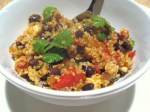
Broad Beans
Quinoa, broad bean and preserved lemon salad
Chick peas

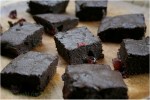
Recipes from More than a Mouthful
Flageolet beans
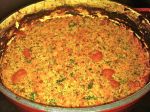
Mung beans
Navy beans
Boston Baked Beans
Pinto beans
Refried Beans (taco stuffing, tostadas topping)
Red Lentils
Being my favourite pulse, it was hard to narrow the recipes down to 1. This recipe got the job because it’s simple and so so tasty.
The best Dahl ever – by Peter Singer
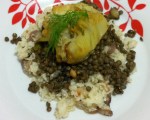
Puy Lentils
This recipe is a bit lengthy but I had to include it. It’s amazing.
Sources
- Healing with Whole Foods, Paul Pitchford
- Super Natural Cooking, Heidi Swanson
- Sandra Dubs, Class notes, Wholefoods nutrition
- Wholefoods Market, Information flyer, Beans and Legumes
- Be Nourished with Rebecca Wood
- Gourmet Traveller (Australia), September 2010
 Food of Origin
Leave a comment