
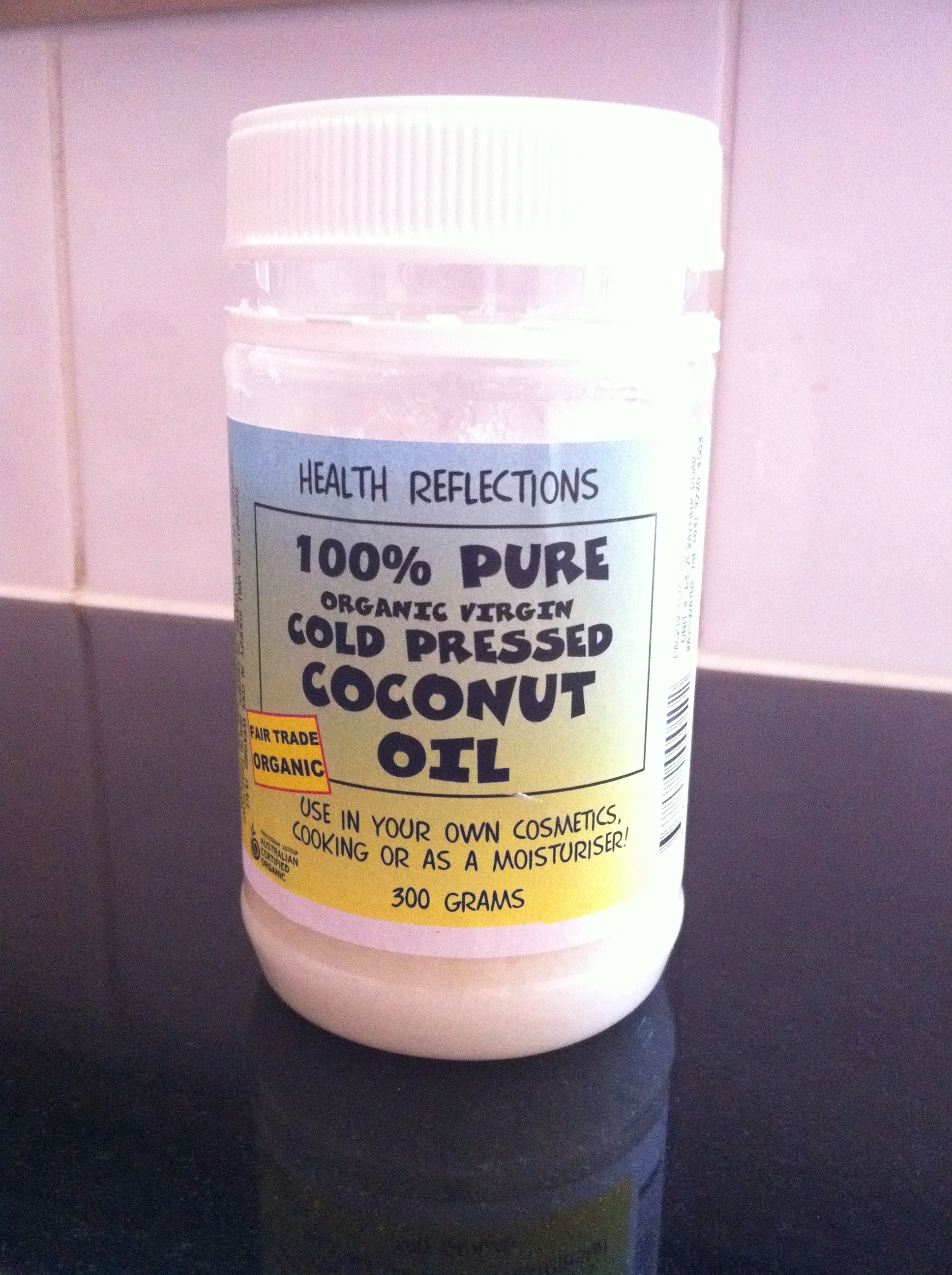
I go nuts for coconut oil. In fact, I love this stuff so much it has spawned me to write about it. I like to write about a lot of things food and health, but there’s not many products that can inspire an article as detailed as this.
Virgin Coconut Oil (VCO for short) is a wonderful oil that can be used inside and outside of the body for heath and beauty. But in recent decades poor old Coconut Oil has copped a bit of a flogging due to a stigma that it’s terrible for your health, in particular cardiovascular health (by poorly researched and competitor funded studies. See below.). I didn’t have to dig long or deep to uncover that it’s really not the case at all!
How is the oil extracted?
To give you a little background, VCO is extracted as a fully organic product from fresh coconut flesh. First, whole coconuts are collected fresh off the tree, shelled and the white coconut meat is removed and ground at low temperatures into granules. These granules are then dried at 40C for 2.5 hours. Once dried, the coconut granules are loaded into a customized cold-process expeller that squeezes out the oil. This is also done at low temperatures in order to preserve the raw nutrients (see my article on raw food here). The oil is put through a centrifuge that spins it at high rotation to remove any moisture or particulate matter. The resulting oil is called “Virgin Coconut Oil” that is packaged and distributed while the solid coconut matter that comes out is used to make coconut flour, substituted for wheat in baking recipes.
So what are these exciting 6 reasons for jumping onto the VCO bandwagon?
1. Wonderful Health Benefits
No foodiecure blog would be complete without a reference to health benefits and VCO contains some awesome health promoting properties.
Used for centuries in Asian cultures and valued for its health benefits, the role of the consumption of coconut oil has been somewhat exaggerated by the Western scientific community. The damaging studies occurred decades ago on rats using processed and fully hydrogenated coconut oil which saw a dramatic rise in the rats’ cholesterol levels. The stigma has stuck around since the 1950’s which was propagated by economically motivated organisations like the American Soybean Association (ASA), the Corn Products Company (CPC International) and the Center for Science in the Public Interest (CSPI), who are in turn aided by the United States Food and Drug Administration (FDA), from which many key personnel are recruited from and return to the vegetable oil industry. Previously, coconut oil was widely used in baked goods and fried goods until these combined publicity campaigns completely discredited coconut oil. The FDA is the same institution that takes no action to limit trans-fatty acids (TFAs) used in baked goods while some European countries have already banned TFAs. This is significant because the EU are early adopters and leaders in food safety. Compounding the problem is the FDA and USDA lump TFAs with saturated fats and continually warn against avoiding all saturated fats and nothing about TFAs. It all stinks of incestuous politics.
But my good friends, I’m here to tell you about good things, and empower you in your quest for dietary and culinary fulfillment! Recent research at Harvard shows that saturated fats from virgin coconut oil does not contribute to dyslipidemia (an abnormal amount of lipids in the bloodstream). In fact there is increasing evidence showing that in suitable quantities, VCO promotes good health and even increases levels of the beneficial HDL cholesterol.
Coconut oil is rich in the medium chain fatty acid lauric acid, who’s only other abundant source in nature is human breast milk. In the body, lauric acid is converted into a highly beneficial compound called monolaurin, an antiviral, antibacterial and antiprotozoal monoglyceride that destroys a wide variety of disease-causing organisms such as the lipid-coated viruses Herpes simplex 1; HIV; measles; Hemophilus influenzae; Vesicular stomatitis virus, and pathogenic bacteria such as Listeria monocytogenes, Staphylococcus aureus; Streptococcus agalactiae; Staphylococcus epidermidis; Groups A, F and G sreptococci; Group B gram-positive streptococcus and Helicobacter pylori all along with a number of fungi, yeasts, candida and several species of ringworm. And the list goes on! Lauric acid also facilitates brain fucntions and boosts the immune system.
Besides being 50% lauric acid, 6 – 7% of the fat in VCO is capric acid. Like lauric acid, capric acid is processed by the body and convered into a benefical substance called monocaprin. Monocaprin has been shown to have antiviral effects against sexually transmitted diseases, including chlamydia tranchomatis; herpes simplex 1 and herpes simplex 2; neisseria gonorhoeae and HIV. Antiviral properties of the medium-chain fatty acids abundant in coconut oil has been found to be so potent that they are now being investigated as a treatment for AIDS patients – studies showing that coconut oil reduces the viral load in AIDS patients.
Other studies are demonstrating that VCO also protects against heart disease and actually promotes weight loss. Because the medium-chain fatty acids are easily absorbed and preferentially used as an energy source, their burning increases the body’s metabolic rate.
We need fats in the diet. This is a fact that has been proven time and time again to our fat-phobic society. One way to make sure your source of ‘good’ fats will not render toxic if used incorrectly is by using VCO.
Still having doubts? I’ve been having VCO on my breakfast every morning since June. I generally feel better, healthier, stronger and have been less susceptible to colds, my skin is glowing and fresh, as is my hair. I haven’t gained any weight (Christmas period excluded!) and last time I had a blood test, my cholesterol was 5.3 mmol/L as opposed to 5.5 mmo/L 2 years ago. My triglycerides haven’t changed from 0.8 mmol/L. So no significant increases there!

2. Best Hair Care Ev-er
Over the years I’ve put all sorts of gunk on my hair and gone to bed with my head ensconced in a gladwrap turban. VCO is the best hair gloss/moisturizer I’ve ever found. Thanks to my mum for giving me her lilly white skin but not her gorgeous thick hair (insert sarcastic tone), my hair is easily prone to dry split ends, oily scalp and snapping off long before I’ve reached my desired length. All this is exasperated by the fact that I colour, straighten and generally torture my hair to within an inch of it’s life. I’ve been on the natural bandwagon for a few years now (my only beauty vice being colouring) trying all sorts of natural products and now I feel I’ve finally hit the good-hair-day jackpot! With dreams to have long curly locks a-la Carrie Bradshaw, I’m on a mission to grown my hair as long as I can. Previously, mission impossible for all the breakages. Enter VCO. I wash my hair (every 3 days) with Burts Bees Colour Keeper, I then blast with the hairdryer, and sometimes straighten with the irons. To smooth – whether left curly or straightened – a tiny dollop of VCO rubbed in the palms and smoothed over locks finishes the ‘do. Add a bit more to the ends and voila – perfect hair, no frizz, split ends evaded, mild coconut aroma, no nasty chemicals, cheap as chips. Love love love.
3. Skin care and facial moisturiser booster
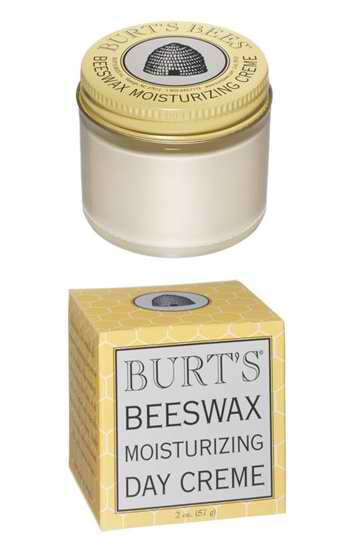
Well those lovely antibacterial properties discussed earlier can be applied to the skin as well. What better properties to have in your daily beauty routine to moisturise the biggest organ than to have anti-bacterial and anti-viral properties. Being an oil, VCO is a little bit greasy so I boost my Burts Bees day moisturiser at night time with a small dollop of VCO, not only keeping my consumption of products down but saving me money.
Who needs highly specialised beauty routine if you don’t have a medical need for it? Besides, your skin absorbs something like 70% of whatever you put on it (water included), and don’t know about you, but I would prefer natural, health promoting, organic substances rather than chemicals I can’t even pronounce the name of.
VCO is a highly effective emollient already used in many natural beauty products such as moisturisers, shampoos and massage oils. It has also been found to be one of the most stable butters used in cosmetics and is safe and effective for use as a barrier cream.
The role of emollients – the biggest group of ingredients in moisturisers – is to soften, heal and hydrate the skin by preserving the water content of the epidermis. They also lubricate by creating a skin slip described as the feeling of smoothness following moisturiser application, and eliminate that dry, tight-feeling skin. Emollients fill the cracks between clusters of dead skin cells with molecules.
And while plant oils, such as coconut oil do not deliver moisture directly to the skin, VCO is one of the oily emollients that can penetrate skin better than others while creating a barrier locking in the existing moisture.
Shannon of Diary of a Vegan Girl fame, applies extra virgin coconut oil as a natural skin protector against sun damage. When combined with foods in her diet that prevent sunburn, such as spirulina and by of course being sensible in sun exposure, it evade the need to put nasty cancer causing chemicals on the skin to bake in.
4. Natural and effective eye make-up remover and moisturiser in one
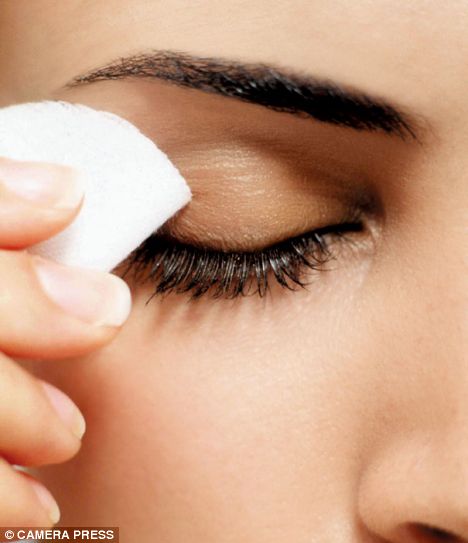
It’s freakin’ scary to know that about 90% of cosmetic ingredients have never been analysed for health impacts by the Cosmetic Ingredient Review Board, a panel that oversees cosmetic safety in the US. And what makes matters worse is that nearly 55% of products contain “penetration enhancers” to increase the ability of chemicals to enter the bloodstream. Joy!
I dunno about you, but when thinking about eye make up remover, I don’t want to be letting too many nasty chemicals that close to my eyeballs, thus brain. Alarm bells get raised when I hear that the recommended use of eye creams is to not let it get in contact with your eyes – what the?*
Many experts claim that using a rich facial cream around the eyes can cause milia (small whiteheads) that are similar in nature to acne. This happens because petrolatum-based heavily scented, preservative-laden eye creams usually clog narrow pores in the eye area. Ingredients to avoid in an eye cream are mineral oil, paraben or formaldehyde preservatives, artifical colours, synthetic fragrances, propylene glycol, triethanolamine, and petroleum-derived silicones.
To keep it easy, 1 product, VCO. I can swiftly and effectively remove my eye makeup without all those toxic chemicals going straight into my face – literally. And all that anti-bacterial anti-viral guff earlier? Well this assists in evading bugs getting into my system, since the eyes are a major entry point for viruses such as the flu.
* for this same reason I’ve switched to natural mascara, Dr Hauschkas Volumising Mascara. Not cheap, not foolproof but it’s natural and has a great effect and is easily cleaned off at the end of the day with VCO.
5. Good for cooking – heats to high temperatures
Because this is a food blog and not a beauty blog (although the two go hand in hand), a more relevant reason I love VCO is that it is the best oil to cook at high temperatures with (unless you’re a chick, with long hair, wears makeup and has dry skin. Although guys should moisturise too. And not that there’s anything wrong with men wearing mascara these days. I digress…sorry).
Cooked oil is the largest causes of free-radical damage in the human body, which are regarded as the primary cause of aging and dis-ease. These free radicals are oxygen molecules that have lost an electron and as a result, scout around the cells and tissues stealing electrons from healthy molecules, leaving a wake of more free radicals and causing noticeable differences to our appearance and quality of life. If you want to read more about the significance of avoiding free radical damage visit this blog.

This is why there’s all the hype about antioxidants. Anti oxidants counter and reverse free radical damage by simply giving the free radicals their missing electrons to become stable. Dawww how sweet.
Because monounsaturated and polyunsaturated oils are very delicate and susceptible to rancidy by oxidation from exposure to light, air and heat is why you should always keep your olive oil, flaxseed oil and hemp oil in dark glass containers in a cool cupboard or fridge. It is also why cooking with these oils is counter-productive to our health rendering your expensive, good-quality oils toxic.
A better choice for cooking – especially at high temperatures – is coconut oil. Extremely stable, this oil can last for up to two years, and even though refrigeration isn’t required, up five years with the proper storage. Why it’d last that long without being used, I wouldn’t know! To give you a scale of how stable this oil is compared to other oils, Bruce Fife, author of The Coconut Oil Miracle writes that saturated fatty acids are 300 or more times resistant to oxidation than their counterparts, such as flaxseed oil. Wooooow!
VCO’s high smoking point also means that if you are going to cook with oil, VCO is the way to go. Cooking does not result in dangerous trans fatty acids. With this little tweak in the products you use for cooking, you will be elevating the healthful benefits of your dish. Not only can VCO be used for sauteing and shallow frying and especially good in South East Asian style stir fries, but also a great vegan substitute for butter in baking. You can’t always use it to substitute butter directly, but I’ve used VCO successfully in my signature chocolate and beetroot brownies found in this post.
6. Tastes delicious
I think most people I know would associate coconuts with warm beaches and sun kissed skin and malibu cocktails. The VCO I buy has the tiniest hint of coconut flavour that I really really enjoy. Other brands I’ve tried are odourless and tasteless, but I prefer the little jaunt to a tropical beach when I’m eating breakfast and dreading going to work. I scoop dollops of the stuff on my fancy pants breakfast and the slick of silky oil gives a pleasant mouthfeel.
VCO is great for cooking popcorn, especially if making Big D’s healthy-as caramel popcorn using VCO and maple syrup. There’s no recipe here, just use VCO as you would oil and say 1/4 c. maple syrup to 1/2 c. popping corn. Make sure your pot is big enough and the heat high enough to pop the corn and not so as to burn it. Shaking the pot (with lid on) sporadically helps to prevent burning. Once fully popped, sprinkle a pinch of celtic sea salt and you’ve got a really healthy treat!
You can also use VCO in smoothies, in a Thai-inspired salad dressing (mmmmm green mango salad pops to mind), and as the shortening in frosting for cupcakes. Check out this winning Cupcake Wars recipe from Chef Chloe that I blogged about.
Bonus reason…
So, if that’s not enough reason for ya, I’m *told* that VCO can be used as a personal lubricant, for you know…ahem…intercourse, since it is harmless to the delicate vaginal tissue and its antibacterial and antiviral properties are also very helpful for “those” regions. It was discussed above VCO’s role in fighting certain STD’s, however precaution should still be taken by using proper protection. Please note that any oils are incompatible with latex thus diaphragms and condoms shouldn’t be used in conjunction with VCO as your personal lubricant.
David Wolfe, noteble Raw Foodist, writes in his book Eating for Beauty that the smell and taste of coconut oil enhances sexual intercourse. How good is that – a sex aid with health benefits!
How to store VCO
As mentioned earlier, VCO doesn’t have to be refrigerated, and in some articles I’ve read, it doesn’t even have to be in dark containers. So to be on the safe side, store your precious VCO in a dark place and well sealed container. When stored in the refrigerator, it is naturally a solid. When warmed in ambient room temperature, it becomes a semi-solid or liquid. Choose only organic, virgin cold pressed oil and don’t even touch any product that has been hydrogenated (think: copha and crisco).
I don’t suppose I’m going to get any big brand hair or beauty care product endorsement gigs from large beauty enterprises from this article soon (except for Burts Bees – I’ll give you my number!), but these are just my reasons that I love VCO. You can find plenty more reasons here (a whole website dedicated to VCO) or make up your own and comment below.
Australian suppliers and stockists
You can buy VCO at any organic or healthfood store or visit:
- Raw Cacao http://www.rawcacao.com.au/
- Loving Earth http://www.lovingearth.net/
- Spiral Foods http://www.spiralfoods.com.au/
- Mi Health Store Australia http://www.mihealth.com.au/store/
And try this directory for local stockists.
Sources
The Green Beauty Guide, Judy Gabriel
NaturalNews.com: Raw Organic Extra Virgin Coconut Oil
Eating for Beauty, David Wolfe
Healing Foods, Michael Murray
Super Natural Cooking, Heidi Swanson
Essential Formulas, Tony Reid
 Food of Origin
Leave a reply to Linda G. Cancel reply